Farm Fun Awaits!
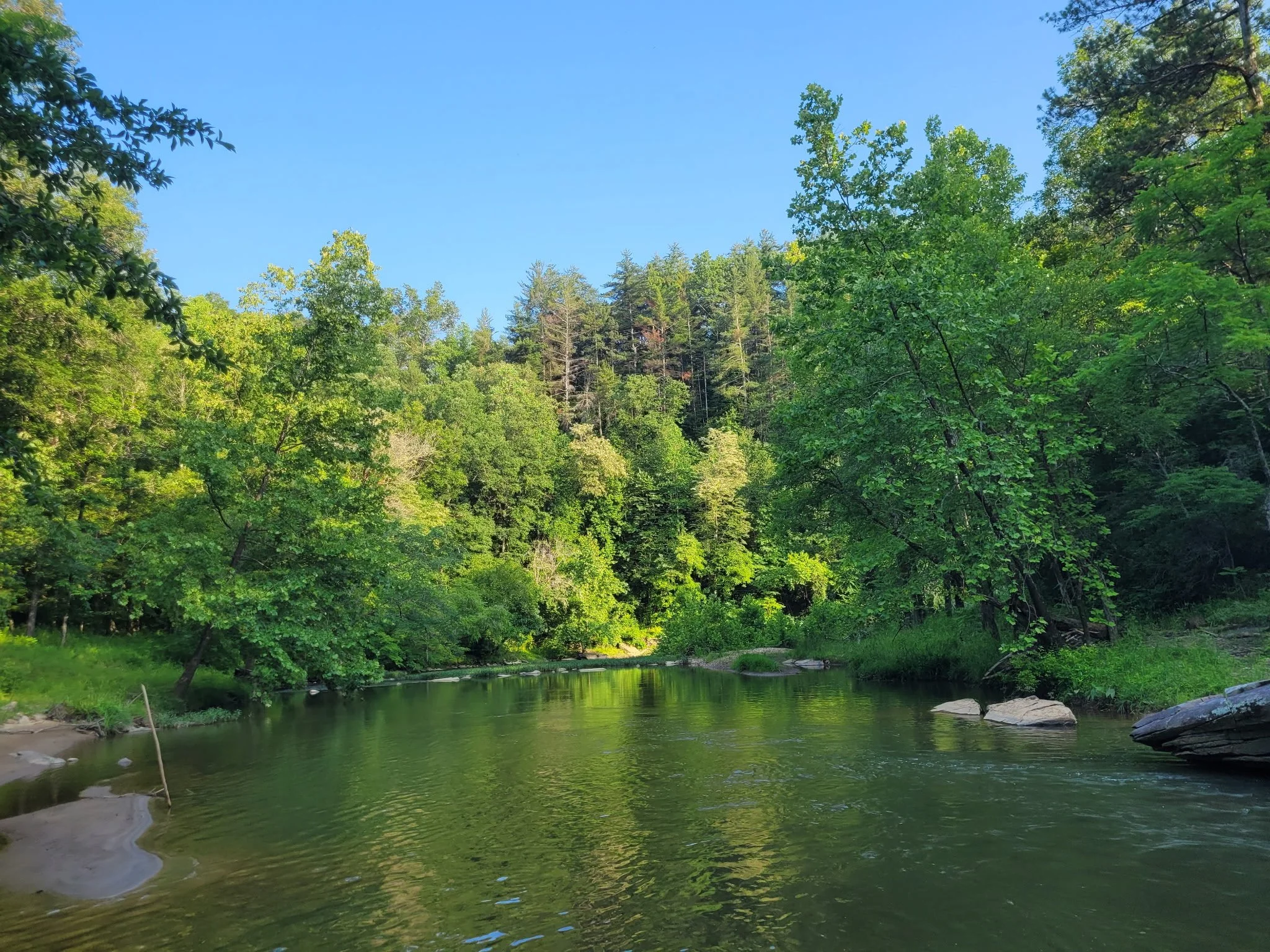
Beargrass origins can be traced back to the early 1800’s where this area was originally home to the Cherokee Nation. The Cherokee people lived throughout the Appalachian region and built villages near rivers and creeks, including the area all along Talking Rock Creek.
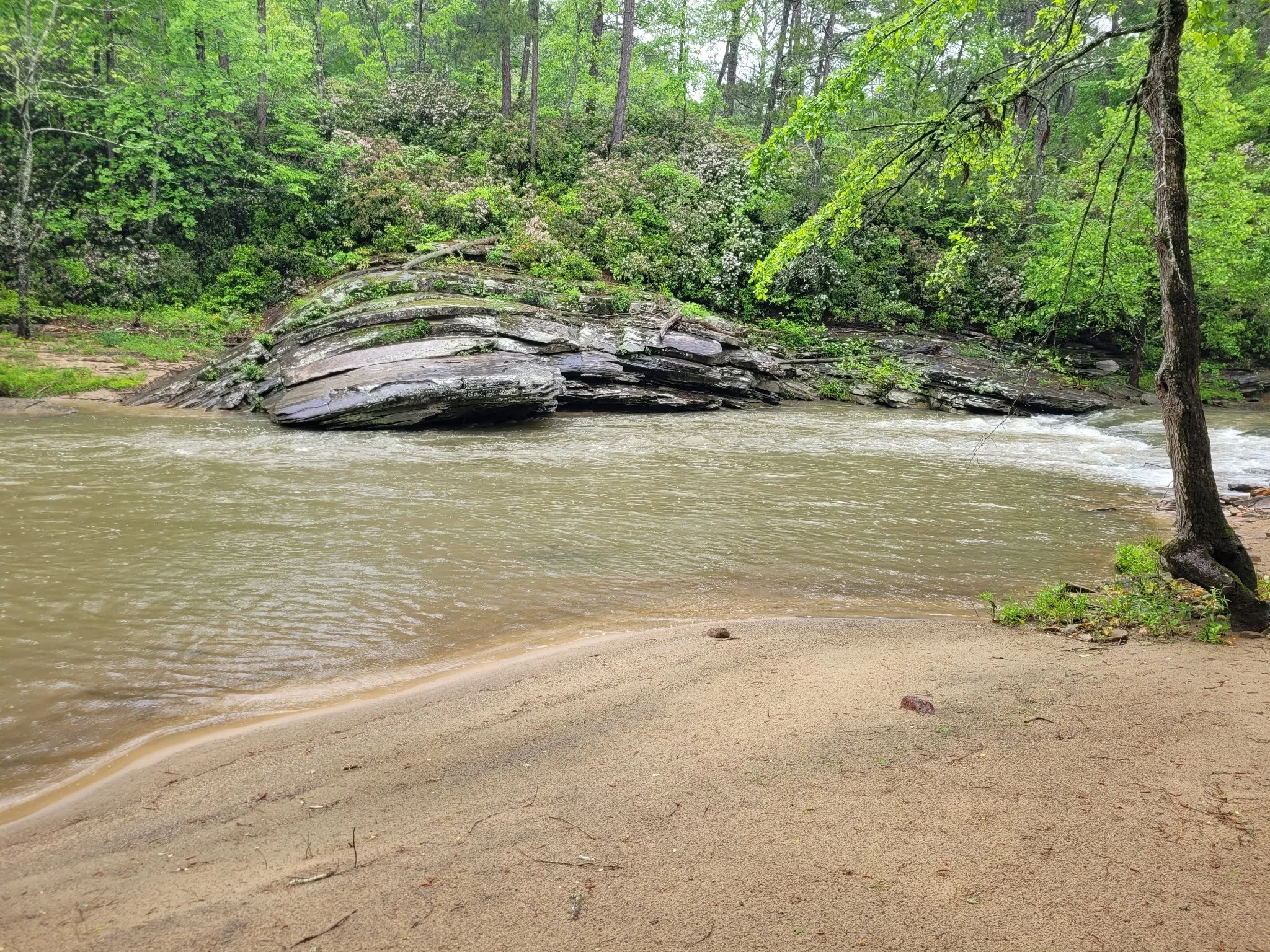
The name “Talking Rock” is believed to have originated at Beargrass. Stories passed down through local history describe an area where the Cherokee tribes would have gathered to trade and hold council and the Cherokee Leaders would cross the creek and stand on the rock and address the tribes. Thus the name “Talking Rock” was born where the Leaders would Talk to the Tribes.
The Cherokee fished the rivers, hunted the forrest, and farmed the valleys with the “three sisters” (corn, squash, and beans) which were the perfect mixed crop. The name “beargrass” is said to have originated from a plant the Cherokee used to weave baskets which still grows along the creek today. It resembles an ornamental Yuckka Plant.
The Cherokee Nation created the first trading paths that later became roads for the European settlers. One of these paths became the Old Federal Road (present Hwy 136). This became one of the main travel and trade routes for the European settlers who began moving into this area in the early 1800s with the discovery of gold.
Ironically, by 1838 the U.S. government forced thousands of Cherokee from their homes during the “Trail of Tears” beginning on the Federal Road originally created by the Cherokee Nation. Many Cherokee families were marched west to reservations in the Oklahoma Territory, in which many died along this harsh journey. This was one of the darkest eras of U.S. history.
After the removal of the Cherokee and the completion of the land lottery, settlers established farming communities throughout the area. A trade hub was greatly needed with this influx of agriculture. Where the Federal Road (Hwy 136) crosses Talking Rock Creek was the origin of the current town of Talking Rock, then known as Sanders Town. The Atherton brothers had built a large mill dam on the creek that powered a saw mill, blacksmith shop, cotton gin, and grist mill. Sanders Town was one of the only major trade hubs of that time in North GA. The town was such a modern marvel of the time that to this day many locals refer to the present day bridge there as “Factory Bridge”.
In another dark spot of American history, Gen. Sherman burnt and pillaged Sanders Town on his march to Savanah in 1863. After the war, the town of Talking Rock was moved to its’ current location when the railroad reached the community in the late 1800s, helping transport marble, timber, and farm products across Georgia. Talking Rock officially became an incorporated town in 1883.
Today, Talking Rock is known as one of the smallest towns in Georgia, with a historic downtown that still reflects its railroad and mountain-town history. The town celebrates its heritage through local festivals, preserved buildings, and stories connected to both the Cherokee people and early Appalachian settlers.